The Rise of Experiential Travel: How Modern Travelers Are Redefining Recreation in 2025
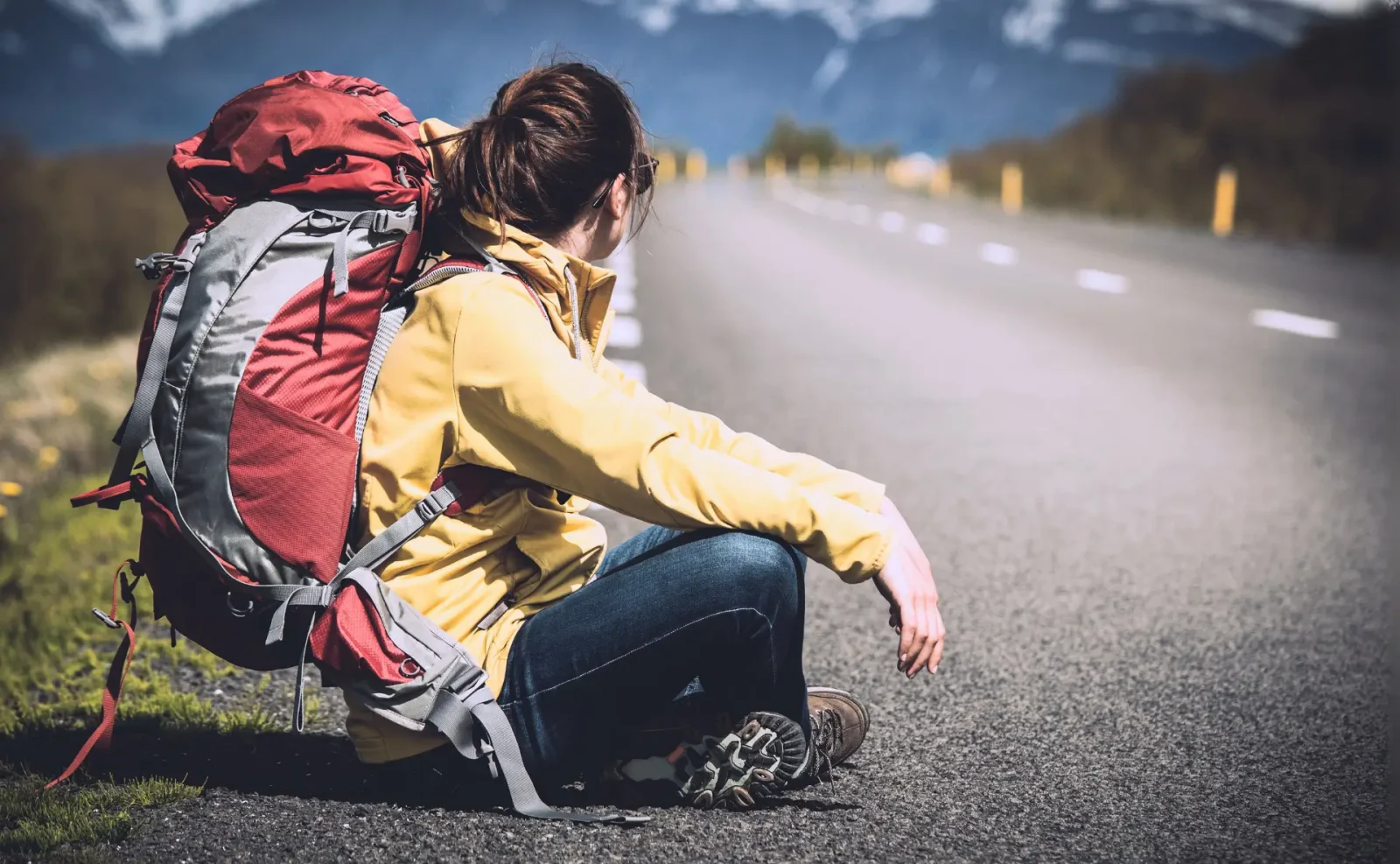
Travel and recreation have undergone a profound transformation in recent years. No longer satisfied with simply visiting destinations, modern travelers increasingly seek immersive, meaningful, and memorable experiences that connect them to culture, nature, and local communities. As we enter 2025, experiential travel continues to shape how people explore the world—shifting focus from sightseeing to personal growth, wellness, and adventure.
This article explores the evolution of experiential travel, the trends influencing recreation today, and how travelers can make the most of this new era of exploration.
1. What Is Experiential Travel?
Experiential travel goes beyond traditional tourism. Instead of passive observation, travelers engage deeply with their surroundings, often through hands-on activities, learning opportunities, and cultural immersion.
Examples include:
-
Cooking classes with local chefs
-
Wildlife conservation volunteering
-
Trekking remote natural landscapes
-
Staying in eco-lodges or homestays
-
Participating in traditional festivals
-
Learning artisanal crafts from locals
The goal is to return home with not just pictures, but stories, skills, and emotional connections.
2. Why Experiential Travel Is Growing
Several factors contribute to the rise of this trend:
A Shift in Traveler Values
Younger generations prioritize authenticity and personal enrichment. They prefer learning to surf in Portugal or practicing yoga in Bali over lounging in luxury hotels.
The Digital Era
After years of looking at filtered photos and curated travel content online, people crave real, unfiltered experiences that feel unique.
Post-Pandemic Travel Mindset
The pandemic changed how people view leisure time. Travelers now value:
-
Outdoor spaces
-
Wellness experiences
-
Meaningful human connection
-
Sustainable and responsible travel practices
Environmental Awareness
Eco-conscious travelers seek ways to reduce their footprint, support conservation, and contribute to local communities.

3. Emerging Travel Trends in 2025
The travel and recreation industry in 2025 is shaped by innovation, sustainability, and personalization. Here are the most influential trends:
a. Slow Travel
Slow travel encourages staying longer in one place, savoring the local culture, and reducing the rush of hopping from city to city. It promotes:
-
Deeper cultural understanding
-
Lower environmental impact
-
Stronger community engagement
Remote working culture also supports longer stays through digital nomad visas and co-living spaces.
b. Eco-Friendly and Regenerative Tourism
Travelers are increasingly choosing:
-
Carbon-neutral flights
-
Eco-lodges powered by renewable energy
-
Zero-waste accommodations
-
Nature-oriented retreats
Regenerative tourism takes sustainability further by giving back—through tree planting, wildlife protection, or community-focused projects.
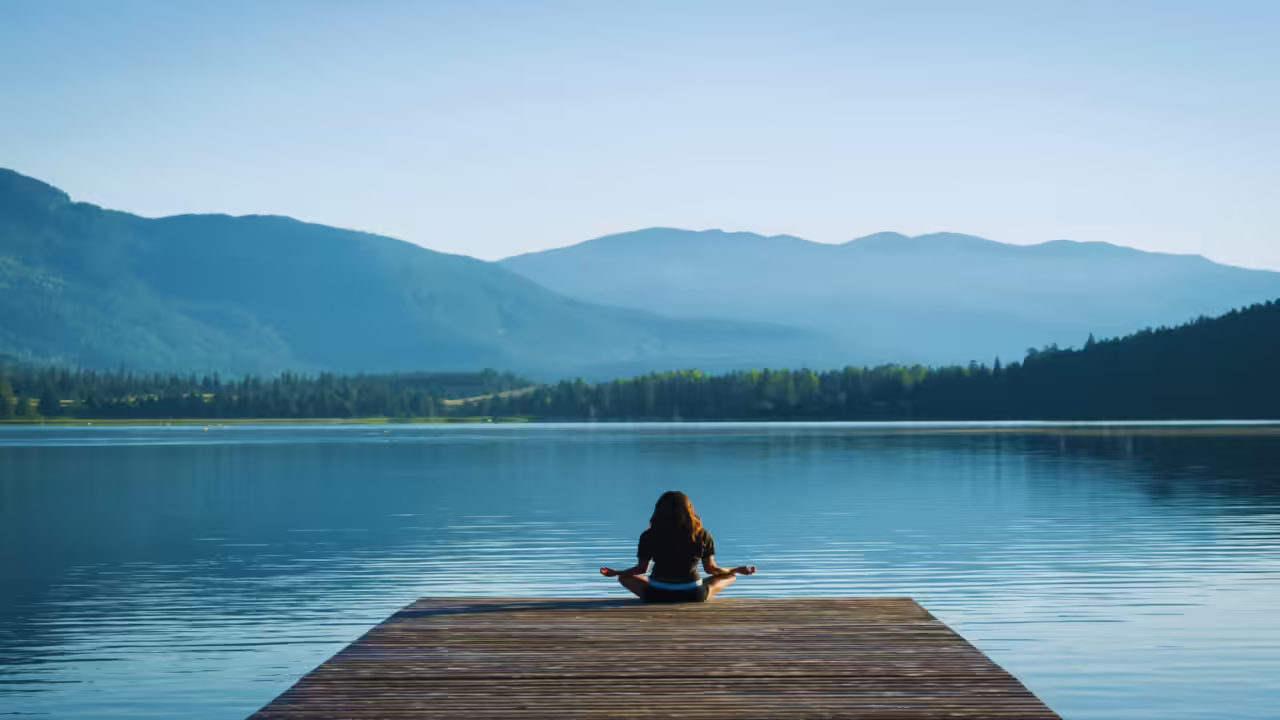
c. Wellness and Mindful Travel
The global wellness industry continues to grow, with travelers searching for ways to relax, reset, and reconnect with themselves. Popular activities include:
-
Meditation retreats
-
Forest bathing
-
Thermal spa experiences
-
Wellness cruises
-
Adventure yoga camps
Mental and emotional well-being is now as important as physical recreation.
d. Adventure Travel 2.0
Adventure travel has expanded from classic activities like hiking and diving to more exotic and challenging pursuits:
-
Ice climbing in Iceland
-
Paragliding in the Alps
-
Desert camping under the Sahara stars
-
Volcano trekking in Indonesia
Adrenaline-seeking travelers want to push boundaries—but with expert guidance and safety.
e. Cultural Immersion and Learning Tourism
Travelers now seek deeper cultural experiences:
-
Learning pottery, weaving, or painting
-
Participating in local ceremonies
-
Taking language classes
-
Visiting family-owned farms
-
Joining community projects
This trend helps preserve traditions and empowers local artisans.
4. Technology’s Role in Modern Travel
Technology continues to enhance every stage of the travel experience.
Smart Planning Tools
AI-powered platforms help travelers:
-
Find hidden gems
-
Optimize itineraries
-
Discover experiences tailored to interests
-
Predict weather and crowd levels
This makes travel smoother and more intuitive.
Contactless and Digital Services
Hotels and airports now utilize:
-
Digital check-ins
-
Mobile room keys
-
Virtual guides
-
Cashless payment systems
These improvements increase convenience and reduce stress.
VR and AR Exploration
Virtual reality previews help travelers explore destinations before booking, while augmented reality guides enrich the experience on-site.
5. Nature-Based Recreation
With increasing urbanization, many travelers crave nature escapes. Outdoor recreation is booming across the globe.
Popular nature-based activities:
-
National park hiking
-
Kayaking and canoeing
-
Mountain biking
-
Stargazing tourism
-
Glamping in remote areas
-
Wildlife photography tours

This trend highlights a desire to disconnect from screens and reconnect with the natural world.
6. The Rise of Micro-Adventures
Not all travel requires long flights or extended holidays. Micro-adventures—short, affordable, and accessible experiences—are gaining traction.
Examples include:
-
Overnight camping close to home
-
Weekend road trips
-
Short hikes or bikepacking trips
-
Local culinary tours
Micro-adventures make travel possible for people with busy schedules or limited budgets, proving that recreation doesn’t have to be far away.
7. Sustainability and Responsible Travel
Travelers in 2025 are increasingly aware of their impact on the planet. Responsible travel practices include:
Supporting Local Economies
Choosing local guides, family-run restaurants, and community experiences ensures money stays within the region.
Reducing Carbon Footprint
Travelers opt for:
-
Direct flights
-
Public transportation
-
Biking or walking tours
-
Eco-certified accommodations
Respecting Wildlife and Cultural Boundaries
Tour operators and travelers are more conscious of avoiding harmful practices, such as unethical animal encounters or cultural exploitation.
Leaving No Trace
Outdoor enthusiasts follow strict guidelines to protect natural habitats, from waste management to responsible camping.
8. How to Plan an Experiential Trip
Planning an immersive travel experience requires thoughtful preparation.
Choose Purpose Over Popularity
Instead of following viral trends, select destinations based on personal passions:
-
Food
-
History
-
Adventure
-
Art
-
Nature
-
Wellness
Engage With Locals
Speaking with local residents can lead to hidden experiences and authentic insights.
Prioritize Quality Over Quantity
It’s better to enjoy a few meaningful activities than rush through a long list of attractions.
Be Open-Minded
Experiential travel often includes unplanned moments—embracing spontaneity can lead to unforgettable memories.
9. The Future of Travel and Recreation
The next decade will bring even deeper changes to the travel landscape:
AI-Personalized Itineraries
Fully customized trips based on biometric data, travel history, and personal interests.
Sustainable Air Travel Innovations
Electric and hydrogen-powered aircraft will reduce emissions significantly.
Hyper-Local Experiences
Travelers will increasingly choose culturally rich, lesser-known destinations over crowded hotspots.
Mixed-Reality Tours
AR glasses may soon overlay historical reconstructions, wildlife identification, or guided navigation during real-world exploration.
Conclusion
Travel and recreation in 2025 are defined by authenticity, connection, and personal transformation. The modern traveler seeks more than relaxation—they seek discovery, growth, and meaningful engagement with the world. Whether trekking across natural landscapes, immersing in local traditions, or simply enjoying a micro-adventure close to home, experiential travel offers opportunities to create memories that last a lifetime.
As technology and sustainability shape the future of tourism, one thing remains constant: the human desire to explore, connect, and be inspired by the world around us.